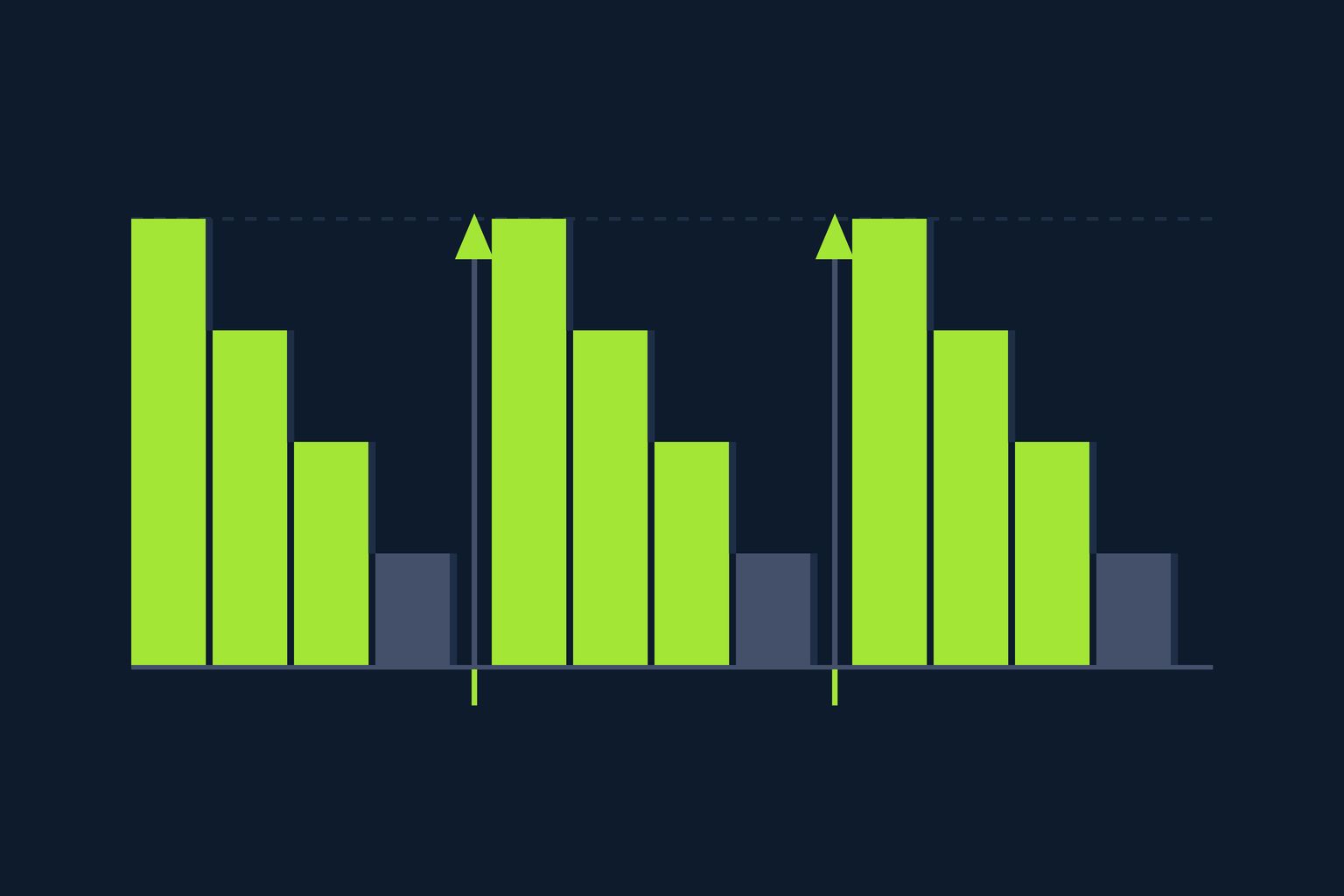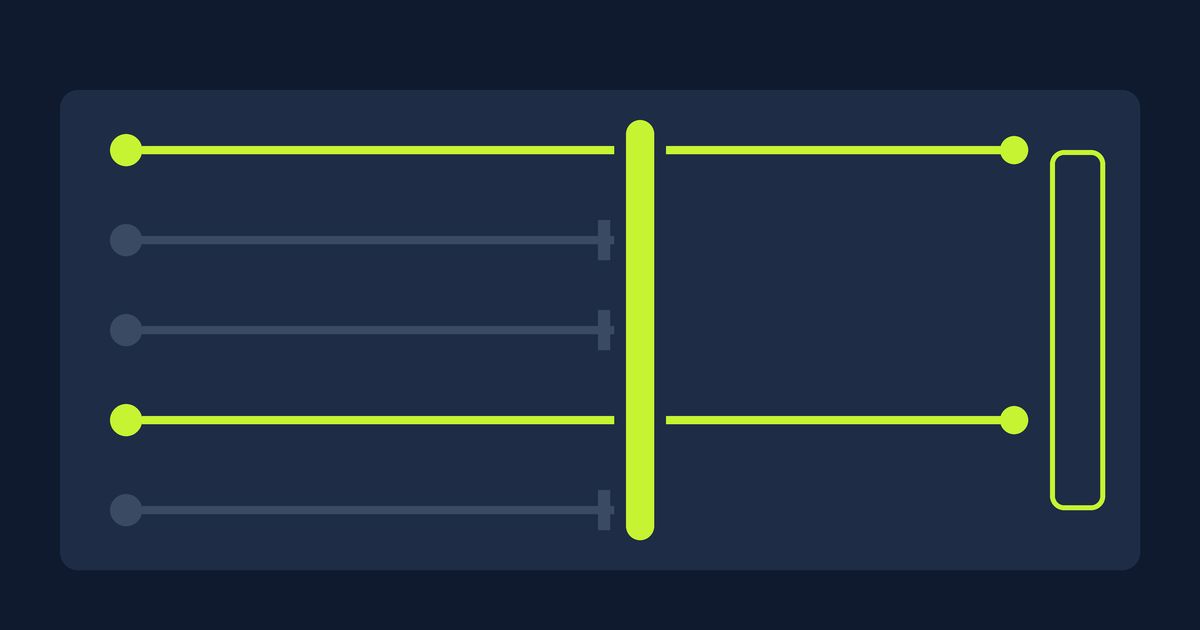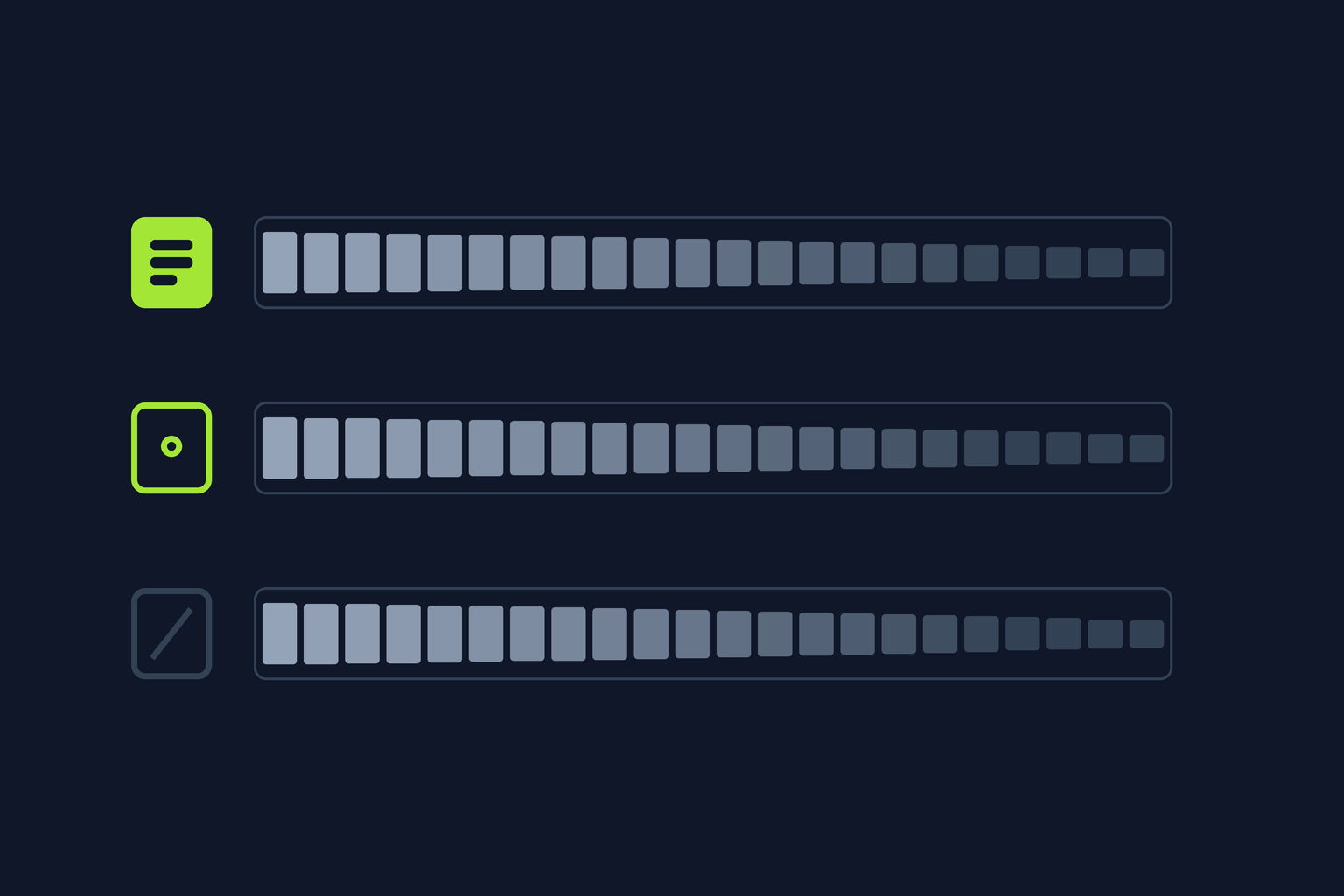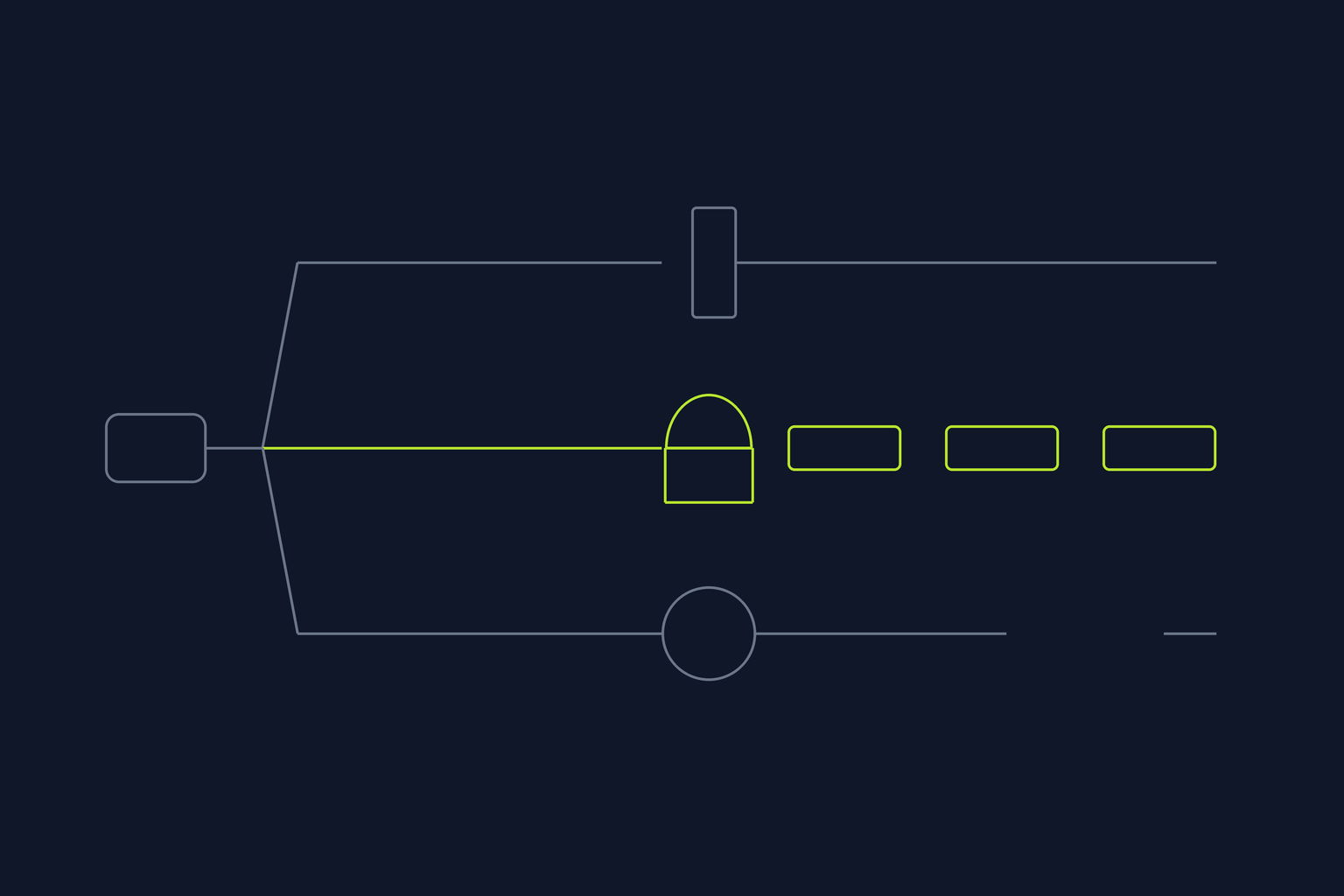
Context engineering is four mechanisms, not one
Context engineering on the Claude platform is not a setting. It is four mechanisms at four points in the pipeline, and the one everybody enables first pays for context window with prompt cache.
Tag
68 posts tagged.
Context engineering on the Claude platform is not a setting. It is four mechanisms at four points in the pipeline, and the one everybody enables first pays for context window with prompt cache.
A task budget is not a per-task cost ceiling. It resets whenever you send a user message carrying no tool results, which is exactly what most harnesses do when Claude finishes gracefully.
Context rot is real and Anthropic now names it in its own docs. The useful question in 2026 is narrower: your Claude model ships with one of two self regulation mechanisms, or with neither, and they do not overlap. Sonnet and Haiku get context awareness free and automatic. Opus needs a beta header. Opus 4.6 gets nothing.
Comparisons of Claude Opus, Sonnet and Haiku score capability, speed and price per token. None of them mention that the model string is part of your request contract. Swap it and thinking can turn itself on, your answer can move out of content[0], and a max_tokens you never touched can start truncating. Eight measured differences, September 2026.
The Batch API's default prompt cache expires in 5 minutes while the batch itself runs for up to an hour, so the two cost levers quietly cancel each other out. Six documented constraints, and the single assumption underneath all of them. Field log, September 2026.
A proxy changes where Claude Code's requests go. It also changes which of its own safety nets are still running. The credential variable is a header choice, the base URL alone does not move your billing, and a gateway context limit turns off auto compact recovery. Field log, September 2026.
Claude Code auto compact fires on a per-model token boundary, not a percentage. What it costs is set by prompt cache warmth rather than context size, and a path-scoped rule does not come back afterwards until Claude reads a matching file again.
Claude Code's /fast is not a speed dial, it is a mode. The first toggle in a conversation reprices your whole context, the toggle moves your model one way and does not move it back, and asking for fast is not the same as getting it.
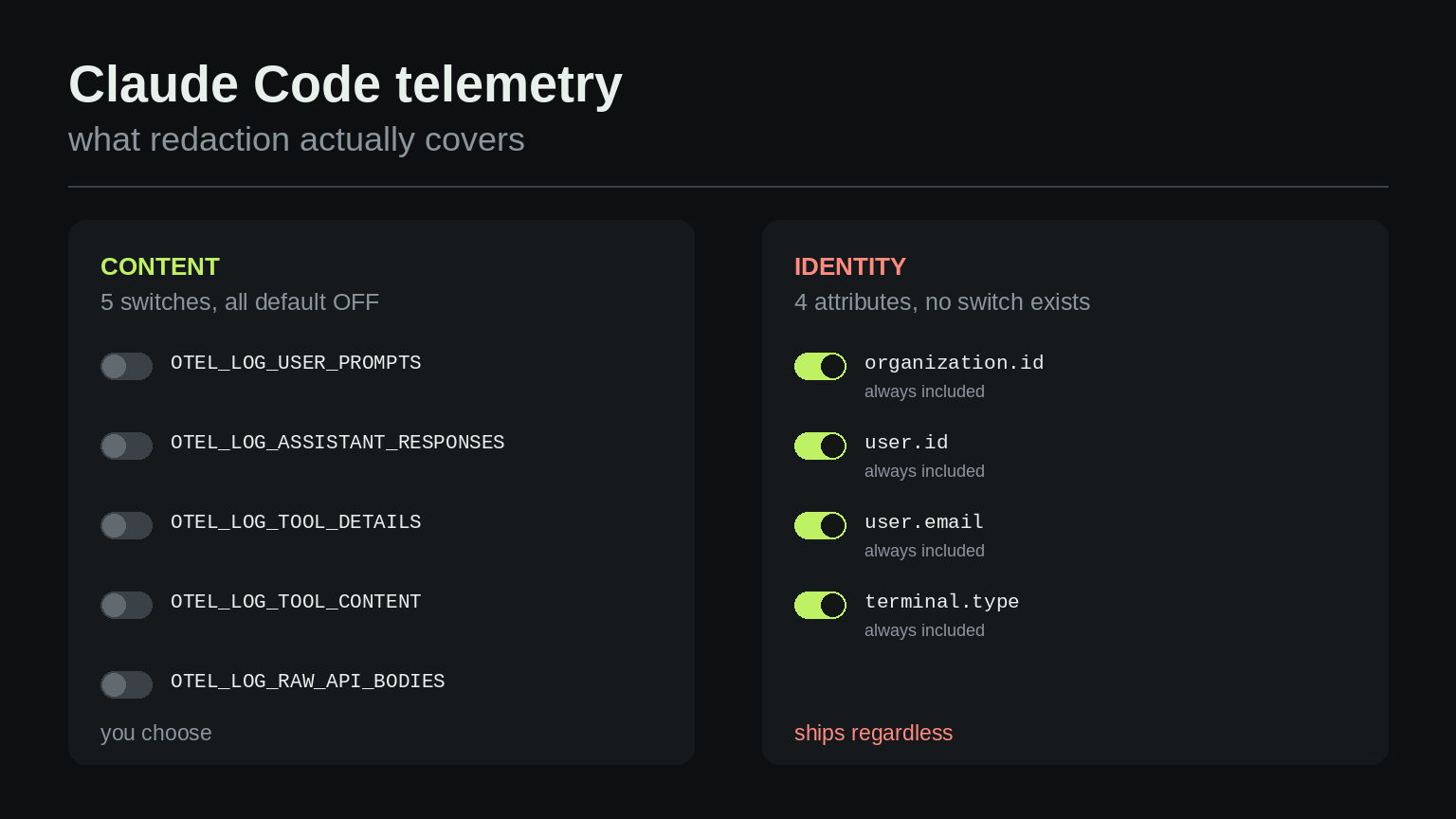
Claude Code's OpenTelemetry export redacts prompts and responses by default. It does not redact who you are. Four identity attributes ship on every datapoint with no switch to turn them off, and one environment variable quietly controls two streams.
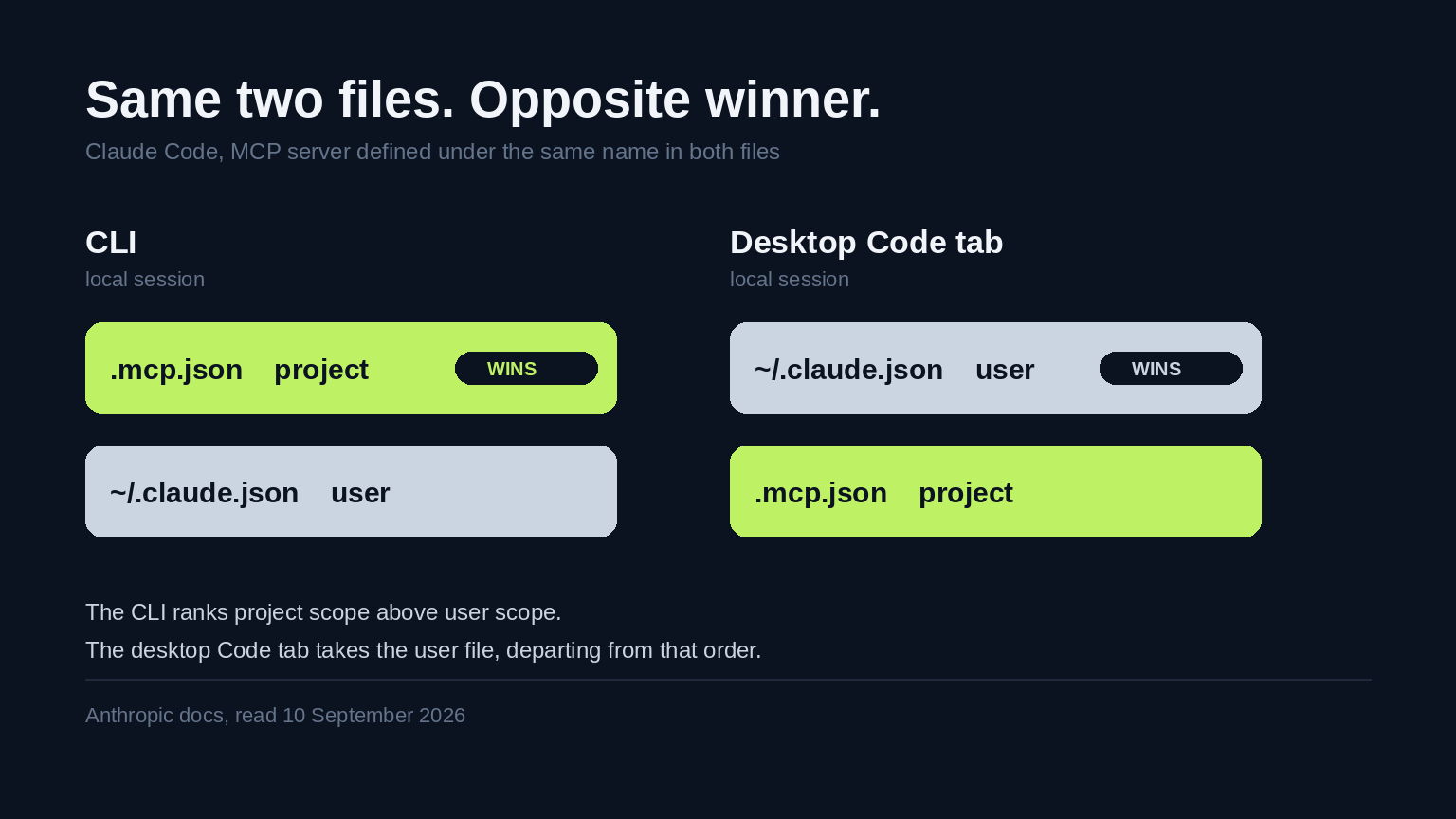
The desktop app and the CLI run the same engine and read the same files. On three points they resolve them in a different order, and Anthropic's own docs call one of them a departure from the CLI scope hierarchy. Read 10 September 2026.
I went looking for which model was answering me and found three separate precedence orders, fourteen documented inputs, and two environment variables that resolve in opposite directions. Read from Anthropic's own docs on 9 September 2026, with the version numbers.