Context engineering is four mechanisms, not one
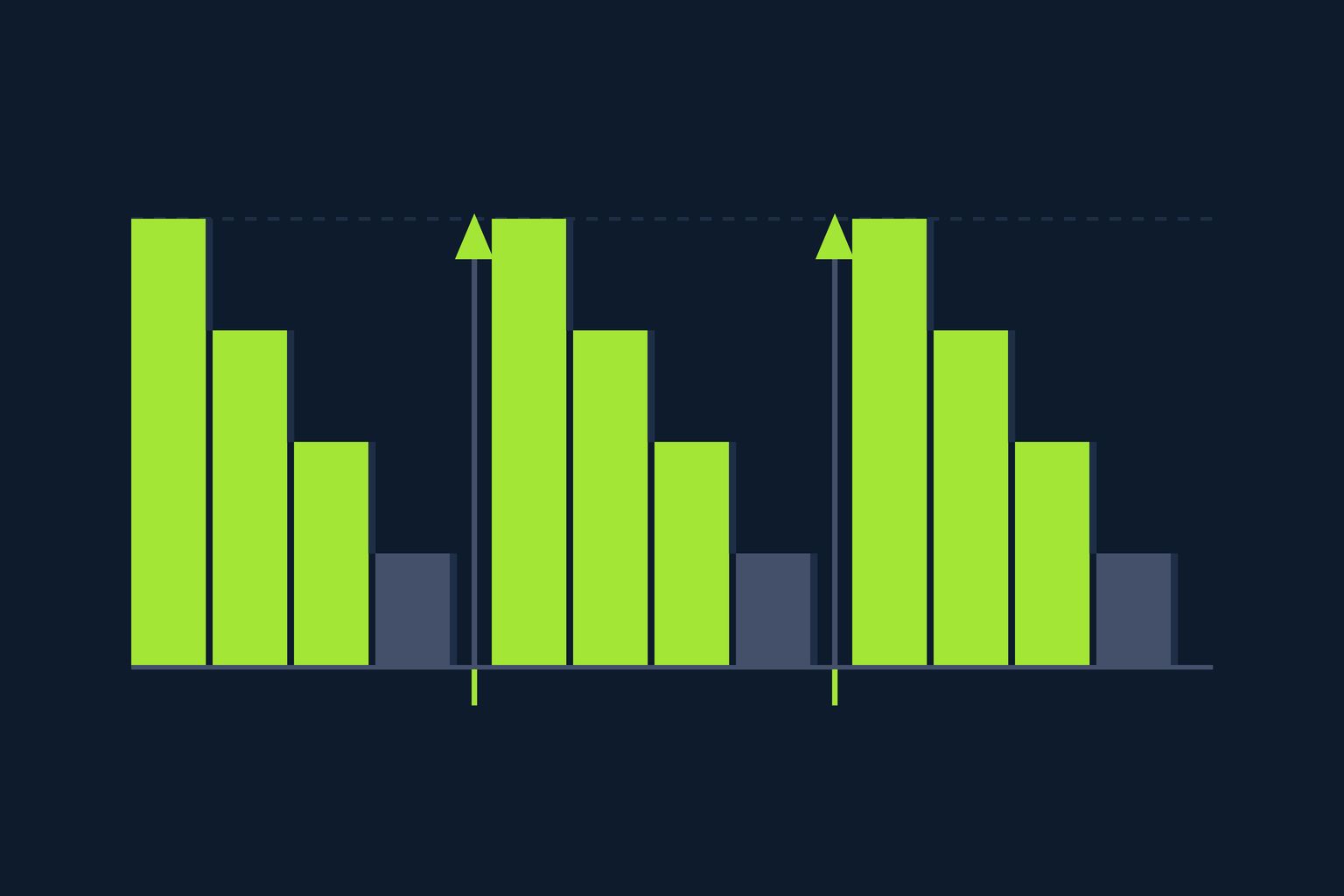
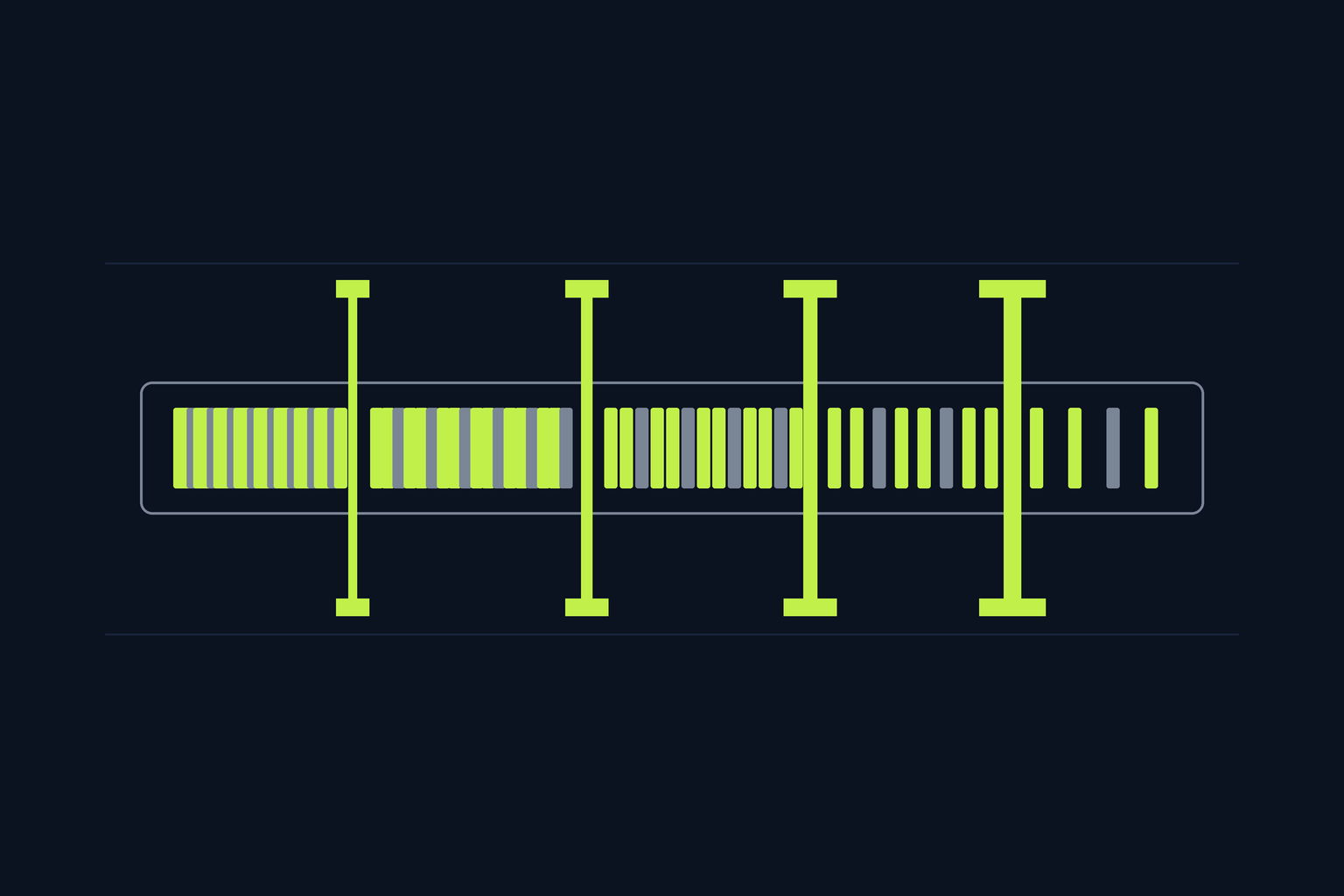
Context engineering on the Claude platform is not a setting. It is four mechanisms at four points in the pipeline, and the one everybody enables first pays for context window with prompt cache.
Tag
8 posts tagged.
Context engineering on the Claude platform is not a setting. It is four mechanisms at four points in the pipeline, and the one everybody enables first pays for context window with prompt cache.
A task budget is not a per-task cost ceiling. It resets whenever you send a user message carrying no tool results, which is exactly what most harnesses do when Claude finishes gracefully.
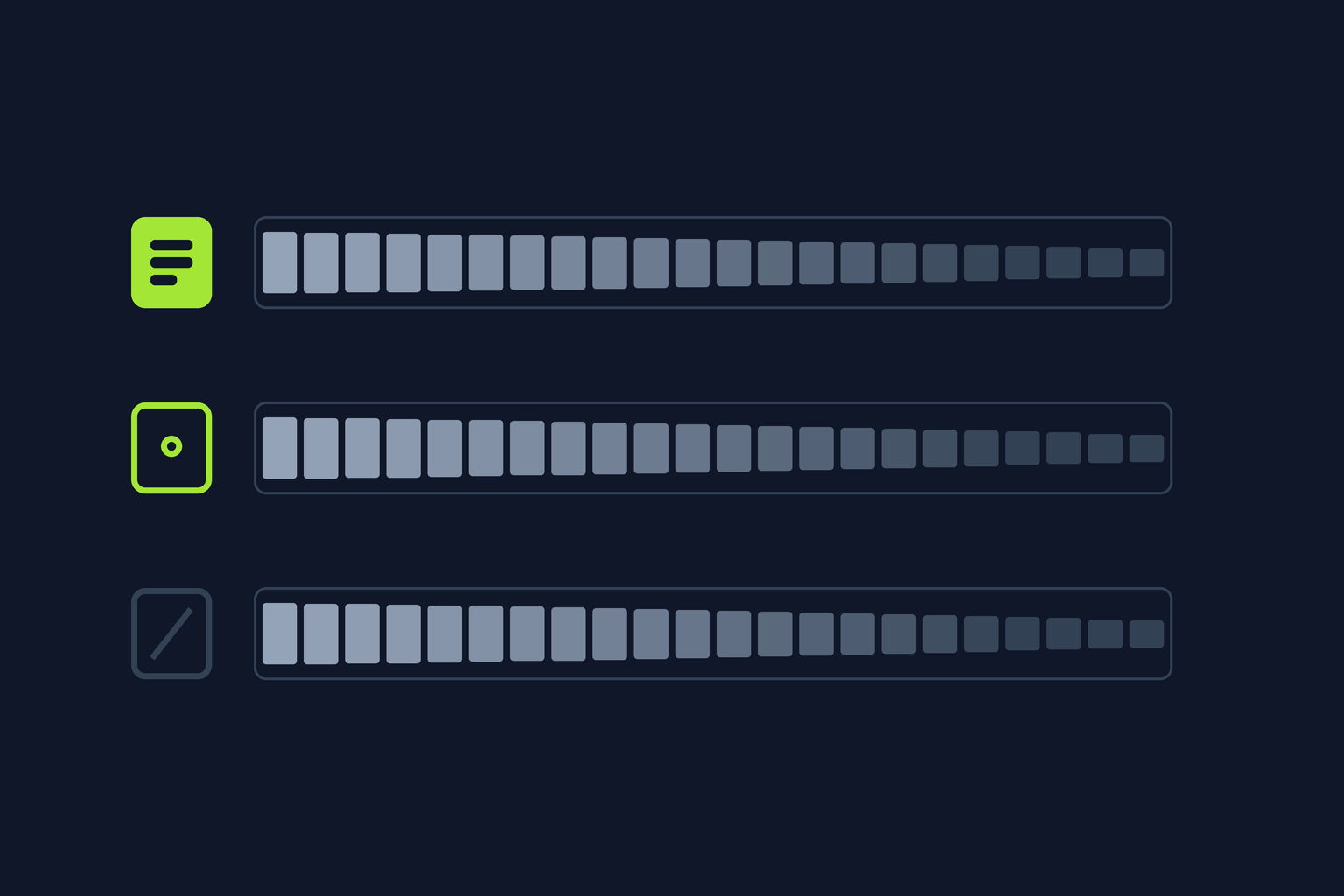
Context rot is real and Anthropic now names it in its own docs. The useful question in 2026 is narrower: your Claude model ships with one of two self regulation mechanisms, or with neither, and they do not overlap. Sonnet and Haiku get context awareness free and automatic. Opus needs a beta header. Opus 4.6 gets nothing.
Comparisons of Claude Opus, Sonnet and Haiku score capability, speed and price per token. None of them mention that the model string is part of your request contract. Swap it and thinking can turn itself on, your answer can move out of content[0], and a max_tokens you never touched can start truncating. Eight measured differences, September 2026.
The Batch API's default prompt cache expires in 5 minutes while the batch itself runs for up to an hour, so the two cost levers quietly cancel each other out. Six documented constraints, and the single assumption underneath all of them. Field log, September 2026.
A three-month field log on the best MCP servers in 2026: the five that earned a permanent slot, the ones I uninstalled, and the context and trust costs no listicle mentions.
A 30-day field log of running an MCP server in production: four failure modes the tutorials skip, honest latency and cost numbers, and when an MCP server is the wrong tool.